


Best Sellers
-
Heart-Shaped Enchantment Candle For Love & Attraction
Regular price $83.99Regular priceUnit price per$62.72Sale price $83.99 -
Crystal Tumbled Heart For Love
Regular price $44.68Regular priceUnit price per$59.57Sale price $44.68Sale -
Lover Embrace Candle For Obsession
Regular price $52.49Regular priceUnit price per$59.08Sale price $52.49Sale -
11 Healing Crystals Set For Healing & Pursuing New Love
Regular price $53.29Regular priceUnit price per$71.05Sale price $53.29Sale -
Obsidian Bracelet For Health, Protection & Knowledge
Regular price From $72.45Regular priceUnit price per$96.60Sale price From $72.45Sale -
-
Pink Rose Quartz Wand For Love
Regular price $46.10Regular priceUnit price per$61.46Sale price $46.10Sale -
3 Pcs Rose Quartz Crystal Pendant Necklaces – Attract Love, Guide You to Your Soulmate
Regular price $36.75Regular priceUnit price per$49.00Sale price $36.75Sale -
1Pc Amethyst & Rose Quartz Beaded Bracelet for Love & Healing
Regular price $45.89Regular priceUnit price per$61.17Sale price $45.89Sale -
4 Pcs Crystal Beaded Bracelet Set For Wealth, Protection, And Vitality
Regular price $49.93Regular priceUnit price per$66.57Sale price $49.93Sale -
Orange Halite For Healing & Happiness
Regular price $44.05Regular priceUnit price per$58.73Sale price $44.05Sale -
Natural Stone and Crystals For Abundance & Healing
Regular price From $41.27Regular priceUnit price per$55.02Sale price From $41.27Sale


Fast Delivery | Easy Return

Make Him/Her Obsessed
-
Heart-Shaped Enchantment Candle For Love & Attraction
Regular price $83.99Regular priceUnit price per$62.72Sale price $83.99 -
Woman & Man Figure Candle For Spell
Regular price $42.89Regular priceUnit price per$57.19Sale price $42.89Sale -
Lover Embrace Candle For Obsession
Regular price $52.49Regular priceUnit price per$59.08Sale price $52.49Sale -

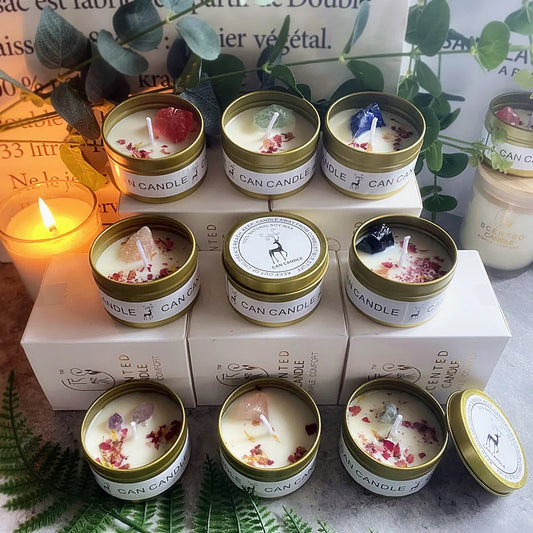
Dried Flower Aromatherapy Candles with Crystal Stone For Building Intimacy& Removing Interference
Regular price $45.15Regular priceUnit price per$60.20Sale price $45.15Sale -
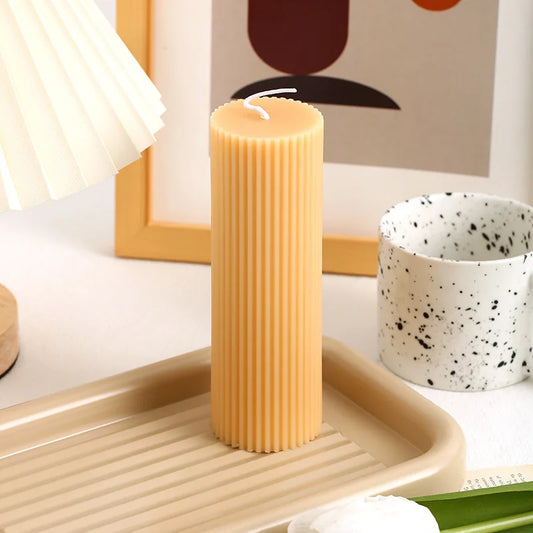
Roman Column Scented Candles for Meditation, Blessings, and Rituals
Regular price $80.12Regular priceUnit price per$106.82Sale price $80.12Sale -
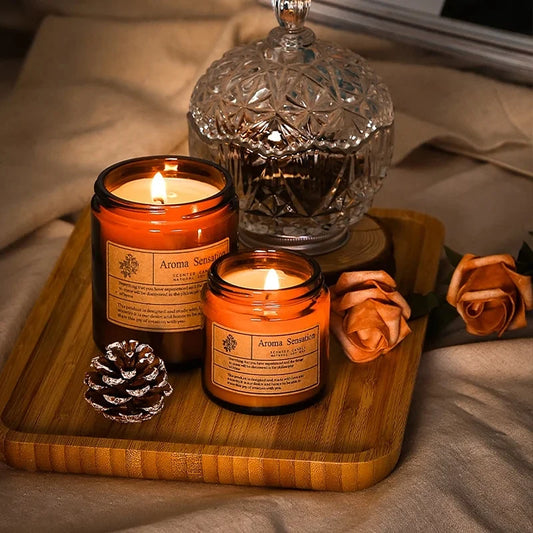
Soy Candle For Attracting New Love & Manifestation
Regular price $51.71Regular priceUnit price per$68.95Sale price $51.71Sale -

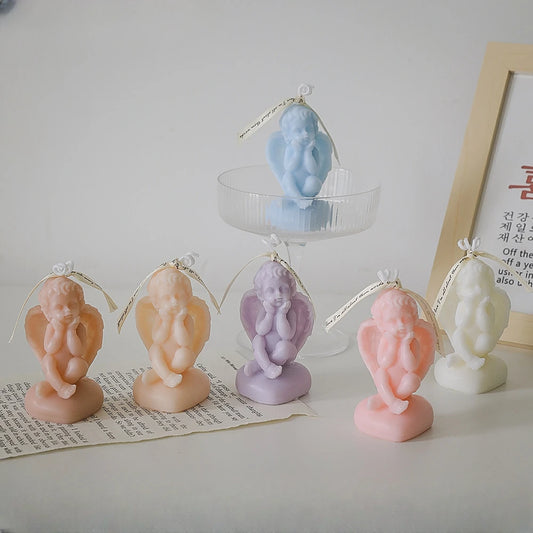
Little Angel Scented Candle – Spiritual Souvenir & Decorative Ornament for Meditation, Blessings
Regular price $45.62Regular priceUnit price per$48.30Sale price $45.62Sale -
Iron Plate Candle Holder
Regular price From $28.14Regular priceUnit price per$37.52Sale price From $28.14Sale -
Heart-Shaped Candle 9 Pcs For Spells And Rituals
Regular price $51.71Regular priceUnit price per$68.95Sale price $51.71Sale -
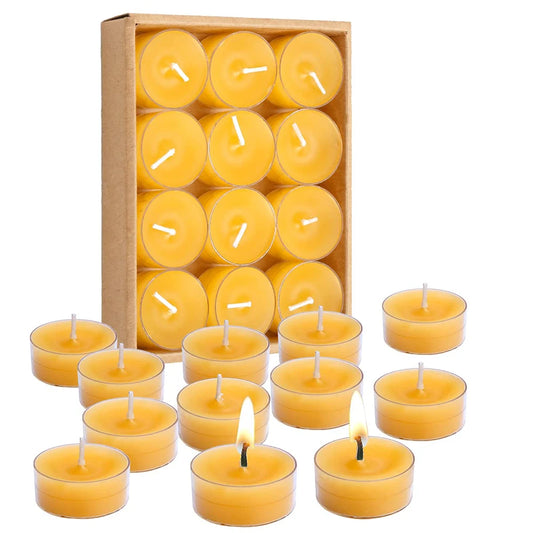
Beeswax Candles For Spell
Regular price From $44.94Regular priceUnit price per$59.92Sale price From $44.94Sale -
Glass Lotus Pedestal Candle Holder for Clarity, Abundance and Energy Balance
Regular price $140.78Regular priceUnit price per -
Rose Pink Lotus Candle Holder for Love and Emotional Renewal
Regular price $43.01Regular priceUnit price per








Blog Posts
View all-

His Family Approves. You Feel Invisible. When Love Becomes an Audition
Soulight OfficialEveryone seems delighted with the relationship. His mother likes your career. His father approves of your plans. Someone has already mentioned how well you would fit into the family. You smile, grateful that the meeting is going well. Yet the conversation has become a discussion of the life you could provide, and you have barely spoken about the life you want. This imagined dinner captures a peculiar tension in family approval in relationships: being welcomed can feel wonderful, while being evaluated can make you disappear from your own story. A Dating Show Brings the Family Into the Room The Korean reality series released in Japan as 合宿お見合い2 places that tension inside its format. U-NEXT announced a November 6, 2026 Japanese streaming launch for the second season. According to the distributor’s announcement, ten marriage-minded singles and their mothers share a five-night, six-day stay. Other family members also become involved, with preferences around work, age, and religion among the considerations described. That is the announced premise, rather than a verdict on any participant or a recap of an episode. It makes a familiar relationship question unusually visible: when the people who love us help us choose, how do we keep our own preferences in the conversation? Being a Good Fit for the Family Is One Kind of Fit A family may notice practical things that attraction makes easy to overlook. A relative might ask about conflicting plans for children, an expectation about where you will live, or an expense nobody has discussed. Those observations can be useful. Family involvement can also reflect a shared wish for closeness, continuity, or support. It need not mean that someone lacks independence. Still, a parent and a potential partner are answering different questions. “Would this person fit comfortably into our family?” is not identical to “Can I build a relationship with this person in which I feel known?” Both questions can matter. Trouble begins when approval of the first is treated as an answer to the second. The Quiet Pressure to Become an Easy Choice Imagine being told that you are exactly the sort of person the family hoped he would meet. It sounds like a compliment. You may be pleased to hear it. Then they describe what they mean: someone who would move closer, attend every gathering, and be comfortable with a particular division of responsibilities. You have different hopes. But correcting the picture now feels like spoiling a successful introduction. This is where a relationship can begin to resemble an audition. You start considering which answer will keep the evening pleasant before considering which answer is true. No one needs to be deliberately unkind for that pressure to exist. Warm expectations can still be expectations. The important question is whether there is room to learn something about you that changes the family’s original picture. Advice and Authority Sound Different The same concern can lead to very different conversations. Consider these imagined examples: A concern offered for discussion A preference treated as a decision “Have you talked about where you both want to live?” “You’ll need to move here when you marry.” “How important is sharing a faith to each of you?” “There is only one acceptable answer.” “What would make family visits workable?” “This is how every holiday will be spent.” The distinction is not whether family members have opinions. It is whether their opinions leave the couple something genuine to discuss. Even a decision you happily share deserves to be understood as your choice. Agreement feels different when it can be explored rather than assumed. Notice Where Your Partner Stands in the Conversation It would be easy to make this entirely a story about parents. But your partner also has a role in how family expectations enter the relationship. When a plan is made on your behalf, do they ask what you think? When you have a different preference, can the two of you discuss it privately? Do you know which expectations they personally share? “My family wants this” leaves an important part of the conversation unfinished. You still need to understand what your partner wants and what you are both considering. That does not require a dramatic public confrontation. Sometimes the useful moment is a quiet clarification: “We haven’t decided that yet. We’ll talk about it together.” What matters afterward is whether the promised conversation actually includes you. You Can Value Belonging Without Agreeing to Everything For some couples, staying close to family is a central part of the relationship they want. For others, more distance makes sense. There is no single arrangement that every couple must copy. Try considering one real expectation that has surfaced. Separate what the family hopes, what your partner wants, and what you want. If you do not know one of those answers, leave space to ask. Perhaps all three match. Perhaps there is a practical compromise. Perhaps the disagreement reveals something important about your plans. None of those possibilities is made clearer by giving the answer you think will earn the most approval. Let Being Welcomed Include Being Known The most interesting question raised by a family-involved dating format is larger than whether parents should help. It is whether being introduced to a possible future gives everyone—including the person expected to live it—a voice. If you bring this topic into a personal tarot or spiritual reading, focus on a question you can explore: “Which parts of this future am I choosing for myself?” A reading can support that reflection; the actual arrangement needs a conversation with your partner. A place in the family should have room for the person you already are.
-

She Said Yes. Then She Left. A Love Is Blind Lesson in Rushed Commitment
Soulight OfficialAn engagement is supposed to settle the question. Someone asks. Someone says yes. The uncertainty becomes a ring, and the story moves forward. Then a dating show gives us the scene that interrupts the fantasy: the proposal happens, and one person still leaves. Jax and Stew’s Love Is Blind story is uncomfortable because it separates two things that romance often packages together: agreeing to the next step and feeling ready for the life that follows it. The interesting part is the gap between those experiences. A milestone can look unmistakable from the outside while meaning something different to each person inside it. The Proposal Was Not the End of the Uncertainty In Season 11, Jax and Stew became engaged after connecting in the pods. After their face-to-face reveal, Jax left the experiment without first giving him an explanation. In Netflix’s October 23 interview, she described feeling overwhelmed by the moment and expressed regret about how she left. She also rejected the interpretation that her departure was about his looks. Stew described the proposal as taking a chance on their connection, rather than having complete certainty about their future. Those accounts complicate a tidy story of one person being sincere and the other pretending. They describe people approaching a large commitment with uncertainty still present. An edited television series cannot tell us everything about either participant. But this part of the story offers a useful subject for discussion: the same event can carry different expectations. A Milestone Can Hide a Conversation Outside television, most people do not get engaged before meeting. Yet there are smaller versions of the same mismatch. Imagine a couple deciding to move in together. One person thinks they are building toward marriage. The other thinks sharing an apartment will help them discover whether the relationship works. Both are excited. Both agree to move. Neither is necessarily lying. The disagreement remains invisible because the practical decision looks like a shared emotional conclusion. The same thing can happen when meeting family, planning a long trip, or discussing a wedding. These moments carry cultural meanings, but a couple still needs to discover what they mean to each other. “We agreed” is the beginning of understanding an agreement. Its meaning lives in the details that follow. The Future Can Feel Familiar Before the Person Does There is pleasure in finding someone who can imagine the same life: the neighborhood, the weekend routine, the place you would go on holiday. Those conversations matter. They can reveal preferences and practical compatibility. They can also become so enjoyable that the imagined relationship starts to feel more established than the actual one. You may know where you would like to live together before you know how you handle an ordinary disagreement. You may have discussed a wedding before seeing what happens when one of you needs to change a plan. That is not a reason to stop dreaming. It is a reason to leave room for discovery alongside the dream. An appealing future is something you can imagine together. A workable relationship is something you learn about through experience. Slowing Down Can Be a Form of Participation Romantic stories give hesitation a difficult role. The person asking for time can seem less invested than the person asking to move forward. In real life, a slower pace can come with substantial effort: making plans, staying curious, returning to difficult conversations, and explaining what remains uncertain. There is a meaningful difference between these two imagined responses: “I’m not ready to discuss it. Let’s stop talking about this.” “I care about this relationship. Before we move in, I want us to talk through money and how we’d share our space.” The second response gives the relationship somewhere to go. It describes what the person needs to understand and how they intend to participate. You can want that kind of engagement without insisting that every uncertainty disappear immediately. You can also decide that someone else’s pace does not fit your own. Changing Your Mind Still Leaves a Conversation A yes does not remove someone’s ability to reconsider. Continuing solely because a commitment has already been announced can create its own difficulties. But reconsidering and leaving another person to discover what happened are separate choices. Where direct contact is safe and appropriate, explaining a change of heart gives the other person information they need about their own life. That distinction makes the story worth more than a quick verdict about who was right. Feeling overwhelmed can help explain an exit without making its impact disappear. For a reader remembering a sudden ending, it may also offer a different question. Instead of treating the earlier promise as proof that everything afterward must have been fake, consider whether the promise and the person’s capacity to follow through ever matched. You may never know their complete answer. You can still be clear about the communication you would need in a future relationship. Give the Promise a Shared Meaning The takeaway is not that fast relationships fail or that uncertainty makes someone incapable of love. It is that a romantic moment cannot do all the work of understanding each other. Before your next significant step, one conversation may reveal more than the milestone itself: “What would this change for you—and what are we still figuring out?” If you use tarot or astrology for reflection, that is a useful question to bring into a personal reading too. Let it help you clarify your hopes, then discuss the actual agreement with the person sharing it. A yes is worth hearing. Understanding what you both said yes to is worth taking time for.


About Us
Mystic Pavilion, enriched by the innovative legacy of One Light Tech, is your dedicated marketplace for divination and spiritual practice needs. Designed to complement our apps, we provide a curated collection of candles, incense, herbs, and oils to support your path to enlightenment. Embrace the wisdom of mysticism with our resources that promise clarity and insight, all while ensuring the ease and value of modern-day conveniences.
Let customers speak for us
Nicely crafted female figure for love spell work


Received in good condition.


Love it!! And it came sooner than expected.


beautiful comes with gold chains for each as well as cloth.


I LOVE IT IS SO PRETTY! And looks expensive! Love it and 100% recommend!

Exactly as described and looks exactly like the pictures. ☺️ Very pleased with this purchase!! And I really love how adjustable it is. Very cute gift idea.

heart is beautiful and nice pink color
It’s a beautiful pendant, happy with the necklace

cute but very large

My favorite piece. Made custom bracelet and earrings to go with this stunning piece.

-

"Wow, just got my first order from Mystic Pavilion and I'm already obsessed! Their candles light up my readings and the energy is just right. Can't wait to order more for my sessions!" — Sofia A., US
-

"Mystic Pavilion really came through with the sage I needed for my home cleansing. The quality blew me away and my space has never felt better - truly a game-changer!" — Liam G., UK
-

"I'm absolutely in love with the essential oils from Mystic Pavilion! They've taken my meditation to the next level, and the scents are so pure. Totally transformed my spiritual practice!" — Aarav K., CA


