
Well Being

Harness the Power of Full Moon Meditation: Benefits, Effects, and a 10-Minute Guided Practice
There’s a reason full moons feel like turning pages. The moon is at peak brightness, our nights are lit, and our minds naturally review what’s grown since the last new moon. A full moon meditation harnesses that reflective energy—helping you release what’s heavy, integrate what you’ve learned, and choose your next step with clarity. Why Meditate on the Full Moon? 1) Emotional Reset & Regulation Full moons can amplify feelings. A focused practice gives those emotions a channel—so you process, not spiral. Expect a grounded, “exhaled” state afterward, not a sugar-high. 2) Clarity on What’s Working (and What Isn’t) The full moon is a midpoint check-in of the lunar cycle. Meditation highlights wins to keep nurturing and patterns to release, so your next two weeks aren’t on autopilot. 3) Letting Go Without Drama Ritualizing release (naming, breathing, symbolically discarding) reduces rumination and helps the brain accept closure. You stop carrying what no longer fits. 4) Better Sleep & Nervous-System Ease Slow, counted breaths and gentle body scans stimulate the relaxation response. Many people report deeper sleep the night of a full moon meditation, even if the moonlight itself feels activating. 5) Creative Insight When you empty noise, intuitive ideas rise. Full moon practices often spark “aha” solutions or surprising connections because you make space to hear yourself. 6) Stronger Intention Follow-Through A clear “keep / release / next action” framework turns vague goals into simple steps you’ll actually take. What It Can Feel Like (Common Effects) A sense of lightness or relief after naming and releasing a worry Warmth/tingling in the chest or hands as breath deepens A sudden memory or insight connecting past and present Tears (normal)—grief leaving the body A calmer inner dialogue the next day Clearer boundaries with people or habits Note: Meditation is supportive, not a replacement for medical or mental-health care. What You’ll Need 10–20 minutes A candle or soft lamp (optional) Paper + pen A glass/bowl of water (“moon water”) if you like ritual Gentle music or silence 10-Minute Full Moon Meditation (Script) Minute 0–1 – Set the Space Sit comfortably. If using a candle, light it with the intention: “I welcome clarity and release.” Minute 1–2 – Ground Close your eyes. Inhale for 4, hold 2, exhale for 6. Repeat three times. Feel your sit bones heavy, jaw soft. Minute 2–4 – Body Scan Bring attention from crown → forehead → jaw → throat → chest → belly → hips → legs → feet. Wherever you find tension, breathe “soften” on the exhale. &nbsap; Minute 4–6 – Name What’s Full Ask: “What has grown since the last new moon?” Let images, words, faces appear. Notice without judging. Whisper a quiet thank-you. Minute 6–8 – Name What’s Ready to Release Ask: “What no longer serves me?” See a habit, fear, or storyline. Imagine placing it in a bowl beside you. Say: “I release you with gratitude. You taught me enough.” Minute 8–9 – Choose Your Next Right Step Ask: “What one simple action aligns me this week?” Receive one clear step. Small is powerful. Minute 9–10 – Seal Hands to heart. Inhale: “I am clear.” Exhale: “I am free.” Open your eyes. Write your one action and the item you released. Optional Ritual Add-Ons Release note: Write what you’re releasing on paper. Safely tear it or submerge it in water (later pour the water into soil). Moon water: Set a covered glass of water by a window. In the morning, sip with the intention to integrate your insight. Crystal companions: Selenite (clearing), moonstone (intuition), smoky quartz (grounding). Hold or place nearby—purely optional. Journal Prompts for After What felt full (complete, illuminated) this cycle? What is clearly ready to be released—and why now? What one step will create 80% of the shift? What support, boundary, or conversation will I honor this week? Common Mistakes (And Fixes) Trying to do everything at once. Fix: Choose one release, one action. Depth > breadth. Using the ritual to avoid feelings. Fix: Give emotion 60 seconds of full permission before the “fixing.” Skipping the body. Fix: Always start with breath + scan; the nervous system needs a signal of safety. Quick FAQ How often should I do this? Monthly at the full moon is great. Add a 5-minute check-in at the next quarter moon to stay aligned. I’m sensitive during full moons—will this make it stronger? It usually balances sensitivity by giving it a container. Keep the practice gentle and short. Can I do this if it’s cloudy or I can’t see the moon? Absolutely. The practice works with your intention, not the weather. A Simple Template You Can Reuse Keep: (what’s blooming) Release: (one pattern/story) Next right step (this week): (one action, date it) Tape it inside a journal or notes app and check it daily for two weeks. Call to Clarity If you’d like help translating a relationship’s energy—what they’re thinking/feeling now and the best way to respond—I offer 15-minute Full Moon Clarity Reads (gentle, direct, and actionable). You’ll leave with your one next step and a short script you can use right away.
Harness the Power of Full Moon Meditation: Benefits, Effects, and a 10-Minute Guided Practice
There’s a reason full moons feel like turning pages. The moon is at peak brightness, our nights are lit, and our minds naturally review what’s grown since the last new moon. A full moon meditation harnesses that reflective energy—helping you release what’s heavy, integrate what you’ve learned, and choose your next step with clarity. Why Meditate on the Full Moon? 1) Emotional Reset & Regulation Full moons can amplify feelings. A focused practice gives those emotions a channel—so you process, not spiral. Expect a grounded, “exhaled” state afterward, not a sugar-high. 2) Clarity on What’s Working (and What Isn’t) The full moon is a midpoint check-in of the lunar cycle. Meditation highlights wins to keep nurturing and patterns to release, so your next two weeks aren’t on autopilot. 3) Letting Go Without Drama Ritualizing release (naming, breathing, symbolically discarding) reduces rumination and helps the brain accept closure. You stop carrying what no longer fits. 4) Better Sleep & Nervous-System Ease Slow, counted breaths and gentle body scans stimulate the relaxation response. Many people report deeper sleep the night of a full moon meditation, even if the moonlight itself feels activating. 5) Creative Insight When you empty noise, intuitive ideas rise. Full moon practices often spark “aha” solutions or surprising connections because you make space to hear yourself. 6) Stronger Intention Follow-Through A clear “keep / release / next action” framework turns vague goals into simple steps you’ll actually take. What It Can Feel Like (Common Effects) A sense of lightness or relief after naming and releasing a worry Warmth/tingling in the chest or hands as breath deepens A sudden memory or insight connecting past and present Tears (normal)—grief leaving the body A calmer inner dialogue the next day Clearer boundaries with people or habits Note: Meditation is supportive, not a replacement for medical or mental-health care. What You’ll Need 10–20 minutes A candle or soft lamp (optional) Paper + pen A glass/bowl of water (“moon water”) if you like ritual Gentle music or silence 10-Minute Full Moon Meditation (Script) Minute 0–1 – Set the Space Sit comfortably. If using a candle, light it with the intention: “I welcome clarity and release.” Minute 1–2 – Ground Close your eyes. Inhale for 4, hold 2, exhale for 6. Repeat three times. Feel your sit bones heavy, jaw soft. Minute 2–4 – Body Scan Bring attention from crown → forehead → jaw → throat → chest → belly → hips → legs → feet. Wherever you find tension, breathe “soften” on the exhale. &nbsap; Minute 4–6 – Name What’s Full Ask: “What has grown since the last new moon?” Let images, words, faces appear. Notice without judging. Whisper a quiet thank-you. Minute 6–8 – Name What’s Ready to Release Ask: “What no longer serves me?” See a habit, fear, or storyline. Imagine placing it in a bowl beside you. Say: “I release you with gratitude. You taught me enough.” Minute 8–9 – Choose Your Next Right Step Ask: “What one simple action aligns me this week?” Receive one clear step. Small is powerful. Minute 9–10 – Seal Hands to heart. Inhale: “I am clear.” Exhale: “I am free.” Open your eyes. Write your one action and the item you released. Optional Ritual Add-Ons Release note: Write what you’re releasing on paper. Safely tear it or submerge it in water (later pour the water into soil). Moon water: Set a covered glass of water by a window. In the morning, sip with the intention to integrate your insight. Crystal companions: Selenite (clearing), moonstone (intuition), smoky quartz (grounding). Hold or place nearby—purely optional. Journal Prompts for After What felt full (complete, illuminated) this cycle? What is clearly ready to be released—and why now? What one step will create 80% of the shift? What support, boundary, or conversation will I honor this week? Common Mistakes (And Fixes) Trying to do everything at once. Fix: Choose one release, one action. Depth > breadth. Using the ritual to avoid feelings. Fix: Give emotion 60 seconds of full permission before the “fixing.” Skipping the body. Fix: Always start with breath + scan; the nervous system needs a signal of safety. Quick FAQ How often should I do this? Monthly at the full moon is great. Add a 5-minute check-in at the next quarter moon to stay aligned. I’m sensitive during full moons—will this make it stronger? It usually balances sensitivity by giving it a container. Keep the practice gentle and short. Can I do this if it’s cloudy or I can’t see the moon? Absolutely. The practice works with your intention, not the weather. A Simple Template You Can Reuse Keep: (what’s blooming) Release: (one pattern/story) Next right step (this week): (one action, date it) Tape it inside a journal or notes app and check it daily for two weeks. Call to Clarity If you’d like help translating a relationship’s energy—what they’re thinking/feeling now and the best way to respond—I offer 15-minute Full Moon Clarity Reads (gentle, direct, and actionable). You’ll leave with your one next step and a short script you can use right away.

Embrace Self-Priority: A Guide to Light, Love, and Vibrational Peace
The Sacred Path of Self-Priority: Choosing Light, Love, and Vibrational Peace ✨ In this vast, ever-turning universe, energy flows where attention goes — and so often, our energy is scattered in a thousand directions. We worry about others, chase approval, and forget that we are divine beings deserving of our own love and care. 🌙 True alignment and spiritual harmony begin when we redirect that sacred light inward. Self-priority is not an act of selfishness — it’s an act of awakening. It’s the realization that your energy, peace, and happiness are sacred gifts that must be nurtured before they can be shared with the world. Centering Yourself in Your Universe 💫 When you begin to place yourself at the center of your own universe, you start to see everything differently. You no longer chase validation; instead, you attract respect, love, and balance. The more you connect with your inner self, the more clearly you hear the whispers of your intuition — that guiding voice that always leads you toward what serves your highest good. 🌟 The Power of Self-Love 💖 Loving yourself first means recognizing that you are your own greatest source of healing. It’s about learning to sit with yourself — your emotions, your memories, your dreams — and holding space for them with compassion. You are not broken; you are evolving. Every scar, every tear, every challenge has shaped you into the wise, intuitive, and powerful being you are today. When you learn to love yourself through every phase of life, your energy transforms, and the universe responds to that transformation with open arms. Setting Healthy Boundaries 🌸 Self-love also means setting boundaries — spiritual walls built from peace, not pain. Boundaries protect your vibration from negativity and teach others how to treat you. Saying “no” to what drains you is actually saying “yes” to your growth. You cannot shine if you’re constantly dimming your light for others. Protect your energy, because your energy is your magic. 🕯️ Nourishing Your Soul Daily 🔥 Prioritizing yourself also means nourishing your soul daily. Spend time in nature, meditate, journal, light candles, or take a salt bath to cleanse your aura. Listen to your heart when it asks for rest, solitude, or silence. Rest is not laziness; it is sacred renewal. Your body, mind, and spirit need moments of stillness to recharge and align with your divine frequency. Attracting Positive Energy 🌈 As you deepen your self-love practice, you begin to attract people and experiences that reflect that same vibration. The relationships that drain you start to fade away, and new connections filled with love, respect, and harmony appear. You no longer settle for half-hearted energy because you know what your soul deserves. You start to live intentionally, choosing joy and peace over chaos and confusion. The Universe Listens 💎 The universe is always listening. When you speak kindly to yourself, when you honor your boundaries, and when you treat your needs as sacred, the energy around you shifts. You begin to magnetize abundance, success, and deep emotional fulfillment. Loving yourself first does not take away from others — it amplifies your ability to love others more purely, without expectation or exhaustion. The Spiritual Act of Self-Priority 🌕 Remember, self-priority is a spiritual act. It is the foundation of a healthy soul and a balanced life. It’s waking up each day and choosing to fill your own cup before trying to fill someone else’s. When your heart is full of love for yourself, your energy radiates outward, healing and inspiring those around you. You become a vessel of light, hope, and divine presence. Conclusion: Choose Yourself ✨ So, take a deep breath. Let go of guilt for putting yourself first. Stand in your power. Speak to yourself with love. Forgive yourself for the times you forgot your worth. Reclaim your energy from the places you left it. The universe is not asking you to be perfect — it’s asking you to be present, whole, and true to yourself. 🌠 You are the light that guides your own path. You are the healer of your own heart. You are the universe experiencing itself through love — and that love begins within you. Choose yourself. Honor your spirit. Radiate your truth. And watch as the universe mirrors your self-love, surrounding you with the peace, joy, and abundance that have always been your birthright. 💫💖🌸
Embrace Self-Priority: A Guide to Light, Love, and Vibrational Peace
The Sacred Path of Self-Priority: Choosing Light, Love, and Vibrational Peace ✨ In this vast, ever-turning universe, energy flows where attention goes — and so often, our energy is scattered in a thousand directions. We worry about others, chase approval, and forget that we are divine beings deserving of our own love and care. 🌙 True alignment and spiritual harmony begin when we redirect that sacred light inward. Self-priority is not an act of selfishness — it’s an act of awakening. It’s the realization that your energy, peace, and happiness are sacred gifts that must be nurtured before they can be shared with the world. Centering Yourself in Your Universe 💫 When you begin to place yourself at the center of your own universe, you start to see everything differently. You no longer chase validation; instead, you attract respect, love, and balance. The more you connect with your inner self, the more clearly you hear the whispers of your intuition — that guiding voice that always leads you toward what serves your highest good. 🌟 The Power of Self-Love 💖 Loving yourself first means recognizing that you are your own greatest source of healing. It’s about learning to sit with yourself — your emotions, your memories, your dreams — and holding space for them with compassion. You are not broken; you are evolving. Every scar, every tear, every challenge has shaped you into the wise, intuitive, and powerful being you are today. When you learn to love yourself through every phase of life, your energy transforms, and the universe responds to that transformation with open arms. Setting Healthy Boundaries 🌸 Self-love also means setting boundaries — spiritual walls built from peace, not pain. Boundaries protect your vibration from negativity and teach others how to treat you. Saying “no” to what drains you is actually saying “yes” to your growth. You cannot shine if you’re constantly dimming your light for others. Protect your energy, because your energy is your magic. 🕯️ Nourishing Your Soul Daily 🔥 Prioritizing yourself also means nourishing your soul daily. Spend time in nature, meditate, journal, light candles, or take a salt bath to cleanse your aura. Listen to your heart when it asks for rest, solitude, or silence. Rest is not laziness; it is sacred renewal. Your body, mind, and spirit need moments of stillness to recharge and align with your divine frequency. Attracting Positive Energy 🌈 As you deepen your self-love practice, you begin to attract people and experiences that reflect that same vibration. The relationships that drain you start to fade away, and new connections filled with love, respect, and harmony appear. You no longer settle for half-hearted energy because you know what your soul deserves. You start to live intentionally, choosing joy and peace over chaos and confusion. The Universe Listens 💎 The universe is always listening. When you speak kindly to yourself, when you honor your boundaries, and when you treat your needs as sacred, the energy around you shifts. You begin to magnetize abundance, success, and deep emotional fulfillment. Loving yourself first does not take away from others — it amplifies your ability to love others more purely, without expectation or exhaustion. The Spiritual Act of Self-Priority 🌕 Remember, self-priority is a spiritual act. It is the foundation of a healthy soul and a balanced life. It’s waking up each day and choosing to fill your own cup before trying to fill someone else’s. When your heart is full of love for yourself, your energy radiates outward, healing and inspiring those around you. You become a vessel of light, hope, and divine presence. Conclusion: Choose Yourself ✨ So, take a deep breath. Let go of guilt for putting yourself first. Stand in your power. Speak to yourself with love. Forgive yourself for the times you forgot your worth. Reclaim your energy from the places you left it. The universe is not asking you to be perfect — it’s asking you to be present, whole, and true to yourself. 🌠 You are the light that guides your own path. You are the healer of your own heart. You are the universe experiencing itself through love — and that love begins within you. Choose yourself. Honor your spirit. Radiate your truth. And watch as the universe mirrors your self-love, surrounding you with the peace, joy, and abundance that have always been your birthright. 💫💖🌸
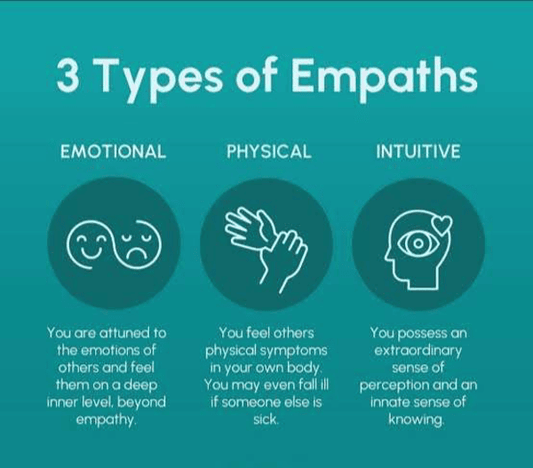
5 Signs You’re an Empath: Recognize and Protect Your Energy
Have you ever left a crowded room feeling completely drained, not just tired, but emotionally exhausted? Do you often feel like you’re absorbing the stress or sadness of people around you? If this sounds familiar, you might be more than just a compassionate person; you might be an empath. Empaths have a unique ability to deeply feel the emotions and energies of others. It’s a beautiful gift, but without proper boundaries, it can lead to burnout. Here are five signs you might be an empath and how to protect your precious energy. 1. You Absorb Emotions Like a Sponge You can walk into a room and instantly sense the mood. If a friend is anxious, you might start feeling anxious too, even if your own day was fine. This emotional sponge effect is the hallmark of an empath. Protection tip: Practice grounding. Before entering social situations, visualize roots growing from your feet into the earth, stabilizing your energy. 2. Crowds Are Overwhelming Shopping malls, concerts, or busy offices can feel exhausting and chaotic. This is because you’re unconsciously processing a flood of energies from everyone around you. Protection tip: Give yourself time limits in crowded places and take quiet breaks. Wearing a favorite crystal like black tourmaline can also act as a subtle shield. 3. You’re a Natural Listener People are naturally drawn to you to share their problems. While you’re a wonderful source of support, you may neglect your own needs in the process. Protection tip: Learn to set loving boundaries. It’s okay to say, “I care about you, but I don’t have the emotional space to talk right now.” 4. You Feel Deeply Connected to Nature and Animals Empaths often feel a profound sense of peace and recharge in natural settings. The unconditional love of animals feels safe and non-judgmental, providing a much-needed energetic respite. Protection tip: Make time to connect with nature daily, even if it’s just a walk in a park. This helps clear foreign energies you’ve picked up. 5. You Need Significant Alone Time to Recharge Unlike simple introversion, an empath requires solitude to sort through which feelings are theirs and which belong to others. This isn’t anti-social; it’s essential self-care. Protection tip: Honor this need without guilt. Create a calm, sacred space in your home where you can retreat and reset. Finding Clarity in Your Gift Living as an empath in a busy world is a journey of learning to protect your energy while embracing your sensitivity. If you’re struggling to understand your emotions or establish boundaries, sometimes an outside perspective can help. A compassionate psychic reading can offer clarity, validate your experiences, and provide guidance tailored to your unique energetic blueprint.
5 Signs You’re an Empath: Recognize and Protect Your Energy
Have you ever left a crowded room feeling completely drained, not just tired, but emotionally exhausted? Do you often feel like you’re absorbing the stress or sadness of people around you? If this sounds familiar, you might be more than just a compassionate person; you might be an empath. Empaths have a unique ability to deeply feel the emotions and energies of others. It’s a beautiful gift, but without proper boundaries, it can lead to burnout. Here are five signs you might be an empath and how to protect your precious energy. 1. You Absorb Emotions Like a Sponge You can walk into a room and instantly sense the mood. If a friend is anxious, you might start feeling anxious too, even if your own day was fine. This emotional sponge effect is the hallmark of an empath. Protection tip: Practice grounding. Before entering social situations, visualize roots growing from your feet into the earth, stabilizing your energy. 2. Crowds Are Overwhelming Shopping malls, concerts, or busy offices can feel exhausting and chaotic. This is because you’re unconsciously processing a flood of energies from everyone around you. Protection tip: Give yourself time limits in crowded places and take quiet breaks. Wearing a favorite crystal like black tourmaline can also act as a subtle shield. 3. You’re a Natural Listener People are naturally drawn to you to share their problems. While you’re a wonderful source of support, you may neglect your own needs in the process. Protection tip: Learn to set loving boundaries. It’s okay to say, “I care about you, but I don’t have the emotional space to talk right now.” 4. You Feel Deeply Connected to Nature and Animals Empaths often feel a profound sense of peace and recharge in natural settings. The unconditional love of animals feels safe and non-judgmental, providing a much-needed energetic respite. Protection tip: Make time to connect with nature daily, even if it’s just a walk in a park. This helps clear foreign energies you’ve picked up. 5. You Need Significant Alone Time to Recharge Unlike simple introversion, an empath requires solitude to sort through which feelings are theirs and which belong to others. This isn’t anti-social; it’s essential self-care. Protection tip: Honor this need without guilt. Create a calm, sacred space in your home where you can retreat and reset. Finding Clarity in Your Gift Living as an empath in a busy world is a journey of learning to protect your energy while embracing your sensitivity. If you’re struggling to understand your emotions or establish boundaries, sometimes an outside perspective can help. A compassionate psychic reading can offer clarity, validate your experiences, and provide guidance tailored to your unique energetic blueprint.

How to Nurture Emotional Maturity and Inner Peace ✨
Growing older doesn’t automatically mean growing wiser in how we handle our feelings. Emotional maturity isn’t tied to age—it’s shaped by experiences, healing, and the choices we make every day. The beautiful truth is: it’s never too late to nurture your inner world. Emotional maturity gives you resilience, helps you navigate love and relationships, and makes your soul feel steadier when life gets stormy. So, how can you step into this grounded and balanced version of yourself? Let’s explore seven gentle but powerful ways. What Does It Mean to Be Emotionally Mature? An emotionally mature person isn’t someone who never feels upset, angry, or vulnerable. Instead, it’s about knowing your emotions, honoring them, and responding with awareness instead of reaction. Signs of Emotional Maturity Self-awareness and honesty with yourself The ability to regulate emotions without suppressing them Flexibility when life changes unexpectedly Taking responsibility instead of blaming Openness to vulnerability and connection Compassion and empathy—for yourself and others Setting and respecting boundaries 7 Soulful Practices for Emotional Maturity 1. Choose a Growth Mindset 🌱 Instead of believing “this is just who I am,” embrace the possibility of growth. A growth mindset means seeing challenges as opportunities to learn and expand. Every mistake becomes a stepping stone toward wisdom. 2. Build Self-Awareness 🌌 Spend time observing your feelings, patterns, and triggers. Journaling, mindful walking, yoga, or meditation can help you tune in. Notice where emotions show up in your body—sometimes the tension in your shoulders or heaviness in your chest carries messages your soul wants you to hear. 3. Practice Empathy—With Others and Yourself 💗 Compassion isn’t selfish—it’s essential. Try to see others with curiosity instead of judgment, and extend the same kindness inward. When your inner critic gets loud, gently challenge it with self-acceptance. 4. Take Responsibility for Your Energy ✨ Feelings arise naturally, but what we do with them is our choice. Instead of lashing out or avoiding, practice owning your reactions. Apologize when needed, and honor your responsibility in creating the energy you bring into relationships. 5. Reconnect With Your Inner Child 🌈 Emotional maturity isn’t about becoming “serious” all the time—it’s also about rediscovering play, wonder, and joy. Healing your inner child can be tender work, especially if your early years were difficult. Allow creativity, curiosity, and small moments of delight to return to your life. 6. Cultivate Nourishing Relationships 🌿 We grow through connection. Practice open communication, set healthy boundaries, and allow yourself to be vulnerable with people you trust. Choose relationships that uplift your spirit and mirror back your authentic self. 7. Explore Therapy or Spiritual Guidance 🕊️ Sometimes we need a safe space to untangle our emotions. Whether through therapy, energy healing, or soulful counseling, guidance can support your journey. Online therapy and spiritual sessions make it easier than ever to seek help in the comfort of your own sacred space. Before You Go 🌙 Remember: emotional maturity doesn’t mean perfection. You’ll still feel anger, sadness, or frustration sometimes—and that’s okay. The goal isn’t to erase emotions but to dance with them more gracefully. Growth is never a straight line. Some days you’ll leap forward, other days you may stumble back. What matters is showing up with patience, self-compassion, and the willingness to keep going. 💫 You are not behind. You are evolving—one tender step at a time. 👉 Want to explore your emotional growth more deeply? Try a guided reading on Soulight today and uncover the energy shifts shaping your relationships and inner world.
How to Nurture Emotional Maturity and Inner Peace ✨
Growing older doesn’t automatically mean growing wiser in how we handle our feelings. Emotional maturity isn’t tied to age—it’s shaped by experiences, healing, and the choices we make every day. The beautiful truth is: it’s never too late to nurture your inner world. Emotional maturity gives you resilience, helps you navigate love and relationships, and makes your soul feel steadier when life gets stormy. So, how can you step into this grounded and balanced version of yourself? Let’s explore seven gentle but powerful ways. What Does It Mean to Be Emotionally Mature? An emotionally mature person isn’t someone who never feels upset, angry, or vulnerable. Instead, it’s about knowing your emotions, honoring them, and responding with awareness instead of reaction. Signs of Emotional Maturity Self-awareness and honesty with yourself The ability to regulate emotions without suppressing them Flexibility when life changes unexpectedly Taking responsibility instead of blaming Openness to vulnerability and connection Compassion and empathy—for yourself and others Setting and respecting boundaries 7 Soulful Practices for Emotional Maturity 1. Choose a Growth Mindset 🌱 Instead of believing “this is just who I am,” embrace the possibility of growth. A growth mindset means seeing challenges as opportunities to learn and expand. Every mistake becomes a stepping stone toward wisdom. 2. Build Self-Awareness 🌌 Spend time observing your feelings, patterns, and triggers. Journaling, mindful walking, yoga, or meditation can help you tune in. Notice where emotions show up in your body—sometimes the tension in your shoulders or heaviness in your chest carries messages your soul wants you to hear. 3. Practice Empathy—With Others and Yourself 💗 Compassion isn’t selfish—it’s essential. Try to see others with curiosity instead of judgment, and extend the same kindness inward. When your inner critic gets loud, gently challenge it with self-acceptance. 4. Take Responsibility for Your Energy ✨ Feelings arise naturally, but what we do with them is our choice. Instead of lashing out or avoiding, practice owning your reactions. Apologize when needed, and honor your responsibility in creating the energy you bring into relationships. 5. Reconnect With Your Inner Child 🌈 Emotional maturity isn’t about becoming “serious” all the time—it’s also about rediscovering play, wonder, and joy. Healing your inner child can be tender work, especially if your early years were difficult. Allow creativity, curiosity, and small moments of delight to return to your life. 6. Cultivate Nourishing Relationships 🌿 We grow through connection. Practice open communication, set healthy boundaries, and allow yourself to be vulnerable with people you trust. Choose relationships that uplift your spirit and mirror back your authentic self. 7. Explore Therapy or Spiritual Guidance 🕊️ Sometimes we need a safe space to untangle our emotions. Whether through therapy, energy healing, or soulful counseling, guidance can support your journey. Online therapy and spiritual sessions make it easier than ever to seek help in the comfort of your own sacred space. Before You Go 🌙 Remember: emotional maturity doesn’t mean perfection. You’ll still feel anger, sadness, or frustration sometimes—and that’s okay. The goal isn’t to erase emotions but to dance with them more gracefully. Growth is never a straight line. Some days you’ll leap forward, other days you may stumble back. What matters is showing up with patience, self-compassion, and the willingness to keep going. 💫 You are not behind. You are evolving—one tender step at a time. 👉 Want to explore your emotional growth more deeply? Try a guided reading on Soulight today and uncover the energy shifts shaping your relationships and inner world.

Feeling Emotionally Numb? Here’s Why and How to Reconnect with Yourself
Do you ever feel like you’re going through life on autopilot, unable to truly experience joy, sadness, or anger? If this feeling persists, you might be experiencing emotional numbness—a common yet often overlooked response to stress, trauma, or mental health challenges. You can also get help from these articles. Emotions are the essence of our human experience. While escaping sadness or fear may feel like relief, emotional numbness can also block positive feelings like happiness and love. Understanding its causes and learning ways to heal is essential for regaining balance in your life. What Does Emotional Numbness Feel Like? Emotional numbness can manifest in different ways, but some common symptoms include: - Persistent emptiness or hopelessness: Feeling like life lacks meaning or that nothing will ever change. - Disconnection from reality: Feeling detached from your thoughts, body, or surroundings—similar to zoning out. - Social withdrawal: Experiencing a sense of isolation, as if an invisible barrier prevents connection with others. - Loss of interest in activities: Hobbies or passions that once brought joy feel empty or meaningless. - Mental and physical fatigue: Constant exhaustion even after adequate rest. This state is often a protective mechanism, a way for the brain to shield itself from overwhelming stress or trauma. Common Causes of Emotional Numbness Several factors can contribute to emotional numbness: - Depression: Reduced emotional responsiveness and dulled affect are common in depressive episodes. - Anxiety: High stress and chronic worry may lead to temporary emotional shutdown. - Post-Traumatic Stress Disorder (PTSD): Numbness can emerge as a coping mechanism after trauma. - Grief: Intense loss may cause the mind to temporarily “turn off” emotions. - Medication side effects: Some antidepressants and anxiety medications can dull emotional responses. While emotional numbness can be a normal response to trauma, prolonged numbness may indicate a deeper issue requiring professional support. How Long Does Emotional Numbness Last? The duration varies depending on the individual and the cause: Short-term numbness may last a few hours or days after a stressful event. Chronic numbness may persist for weeks, months, or even years if left unaddressed. Early intervention through therapy or mindful practices can significantly reduce the duration and severity. Ways to Heal Emotional Numbness Immediate Relief Strategies Physical activity: Exercise releases endorphins, helping reconnect you with your body and emotions. Sleep hygiene: Consistent, high-quality sleep restores emotional balance. Reach out for support: Sharing your feelings with loved ones or friends can reduce the sense of isolation. Professional therapy: A therapist specializing in emotional numbness or trauma can guide you toward deeper healing. Long-Term Approaches Manage and reduce stress: Identify stressors and create boundaries or actionable solutions. Mindfulness and meditation: Practices like yoga, breathing exercises, and meditation help maintain emotional presence. Self-care and reflection: Regularly check in with your emotions and allow yourself to feel without judgment. Emotional Healing: Mind, Body, and Spirit At Soulight, we emphasize holistic emotional healing. Combining therapy, mindfulness, and energy practices can help you: Reconnect with your feelings. Release blocked emotional energy. Restore balance in your relationships and daily life. Emotional numbness is a signal, not a permanent state. By taking conscious steps toward healing, you can regain your emotional depth and experience life fully again. 💫 Start Your Emotional Healing Journey Explore our guided meditation courses and professional therapy sessions to reconnect with your inner self. Book your session today →
Feeling Emotionally Numb? Here’s Why and How to Reconnect with Yourself
Do you ever feel like you’re going through life on autopilot, unable to truly experience joy, sadness, or anger? If this feeling persists, you might be experiencing emotional numbness—a common yet often overlooked response to stress, trauma, or mental health challenges. You can also get help from these articles. Emotions are the essence of our human experience. While escaping sadness or fear may feel like relief, emotional numbness can also block positive feelings like happiness and love. Understanding its causes and learning ways to heal is essential for regaining balance in your life. What Does Emotional Numbness Feel Like? Emotional numbness can manifest in different ways, but some common symptoms include: - Persistent emptiness or hopelessness: Feeling like life lacks meaning or that nothing will ever change. - Disconnection from reality: Feeling detached from your thoughts, body, or surroundings—similar to zoning out. - Social withdrawal: Experiencing a sense of isolation, as if an invisible barrier prevents connection with others. - Loss of interest in activities: Hobbies or passions that once brought joy feel empty or meaningless. - Mental and physical fatigue: Constant exhaustion even after adequate rest. This state is often a protective mechanism, a way for the brain to shield itself from overwhelming stress or trauma. Common Causes of Emotional Numbness Several factors can contribute to emotional numbness: - Depression: Reduced emotional responsiveness and dulled affect are common in depressive episodes. - Anxiety: High stress and chronic worry may lead to temporary emotional shutdown. - Post-Traumatic Stress Disorder (PTSD): Numbness can emerge as a coping mechanism after trauma. - Grief: Intense loss may cause the mind to temporarily “turn off” emotions. - Medication side effects: Some antidepressants and anxiety medications can dull emotional responses. While emotional numbness can be a normal response to trauma, prolonged numbness may indicate a deeper issue requiring professional support. How Long Does Emotional Numbness Last? The duration varies depending on the individual and the cause: Short-term numbness may last a few hours or days after a stressful event. Chronic numbness may persist for weeks, months, or even years if left unaddressed. Early intervention through therapy or mindful practices can significantly reduce the duration and severity. Ways to Heal Emotional Numbness Immediate Relief Strategies Physical activity: Exercise releases endorphins, helping reconnect you with your body and emotions. Sleep hygiene: Consistent, high-quality sleep restores emotional balance. Reach out for support: Sharing your feelings with loved ones or friends can reduce the sense of isolation. Professional therapy: A therapist specializing in emotional numbness or trauma can guide you toward deeper healing. Long-Term Approaches Manage and reduce stress: Identify stressors and create boundaries or actionable solutions. Mindfulness and meditation: Practices like yoga, breathing exercises, and meditation help maintain emotional presence. Self-care and reflection: Regularly check in with your emotions and allow yourself to feel without judgment. Emotional Healing: Mind, Body, and Spirit At Soulight, we emphasize holistic emotional healing. Combining therapy, mindfulness, and energy practices can help you: Reconnect with your feelings. Release blocked emotional energy. Restore balance in your relationships and daily life. Emotional numbness is a signal, not a permanent state. By taking conscious steps toward healing, you can regain your emotional depth and experience life fully again. 💫 Start Your Emotional Healing Journey Explore our guided meditation courses and professional therapy sessions to reconnect with your inner self. Book your session today →

Why “Likes” Make Us Anxious: The Hidden Cost of Social Media Validation
Why Do We Care So Much About a Heart Icon? Think about the last time you posted something online. Did you check back in a few minutes to see how many people liked it? Maybe you felt a rush of excitement when the first notifications popped up—and then a pang of disappointment when the numbers didn’t climb as fast as you hoped. This isn’t just vanity. It’s psychology. The human brain is wired to seek approval. Social media has turned that ancient need for belonging into a numbers game. And for many people, especially those prone to worry or insecurity, this constant measurement of worth through likes, comments, and follows can create what we now call social media anxiety. What Is Social Media Anxiety? Social media anxiety isn’t an official diagnosis, but it describes a very real set of feelings: Nervousness before posting something (“What if no one likes it?”) Compulsively checking notifications Comparing your life to filtered, polished versions of others Avoiding posting altogether out of fear of judgment Feeling empty or rejected when posts don’t get attention At its core, it’s the fear of not being good enough—played out in a public digital arena where everything can be measured, replayed, and judged. Why Social Media Amplifies Insecurities Endless Comparison Social platforms are designed for highlight reels. Vacations, promotions, happy couples—all on display. When you compare your everyday life to someone’s “best-of” moments, it’s easy to feel like you’re falling behind. The Dopamine Rollercoaster Likes and comments give us tiny bursts of pleasure. But just like sugar, the crash comes quickly. The more you chase that hit, the more anxious you feel when it doesn’t come. Fear of Missing Out (FOMO) Scrolling late at night, you see friends at parties, new restaurants, or traveling—and suddenly your quiet evening feels like failure. Social media magnifies the idea that everyone else is doing better. The Illusion of Connection You can have hundreds of followers and still feel lonely. Digital connections often lack the depth of face-to-face relationships, leaving you more isolated than before. Signs You Might Be Caught in the “Like Trap” You delete posts that don’t get enough attention You avoid posting photos of yourself unless they’re heavily edited You feel jealous or anxious after scrolling through your feed You measure your mood by how much online engagement you get You spend more time consuming than connecting Breaking Free: How to Use Social Media Without Losing Yourself ✨ Redefine success – Instead of focusing on numbers, pay attention to the quality of interactions. A meaningful comment is worth more than 50 likes. ✨ Set healthy boundaries – Turn off push notifications, limit scrolling time, and give yourself offline breaks. ✨ Shift from performance to connection – Post because you want to share, not because you expect applause. ✨ Practice self-compassion – Remind yourself that what you see online is a curated snapshot, not the whole truth. ✨ Reconnect offline – Balance digital interaction with real-world conversations, nature, and mindful practices. Final Reflection Social media anxiety doesn’t come from weakness—it comes from being human in a world where approval is measured in digits. By noticing the patterns, setting boundaries, and using social media with intention, you can turn these platforms back into tools of connection instead of sources of stress. Because at the end of the day, you are more than your follower count, your filters, or your likes. 🌙💫
Why “Likes” Make Us Anxious: The Hidden Cost of Social Media Validation
Why Do We Care So Much About a Heart Icon? Think about the last time you posted something online. Did you check back in a few minutes to see how many people liked it? Maybe you felt a rush of excitement when the first notifications popped up—and then a pang of disappointment when the numbers didn’t climb as fast as you hoped. This isn’t just vanity. It’s psychology. The human brain is wired to seek approval. Social media has turned that ancient need for belonging into a numbers game. And for many people, especially those prone to worry or insecurity, this constant measurement of worth through likes, comments, and follows can create what we now call social media anxiety. What Is Social Media Anxiety? Social media anxiety isn’t an official diagnosis, but it describes a very real set of feelings: Nervousness before posting something (“What if no one likes it?”) Compulsively checking notifications Comparing your life to filtered, polished versions of others Avoiding posting altogether out of fear of judgment Feeling empty or rejected when posts don’t get attention At its core, it’s the fear of not being good enough—played out in a public digital arena where everything can be measured, replayed, and judged. Why Social Media Amplifies Insecurities Endless Comparison Social platforms are designed for highlight reels. Vacations, promotions, happy couples—all on display. When you compare your everyday life to someone’s “best-of” moments, it’s easy to feel like you’re falling behind. The Dopamine Rollercoaster Likes and comments give us tiny bursts of pleasure. But just like sugar, the crash comes quickly. The more you chase that hit, the more anxious you feel when it doesn’t come. Fear of Missing Out (FOMO) Scrolling late at night, you see friends at parties, new restaurants, or traveling—and suddenly your quiet evening feels like failure. Social media magnifies the idea that everyone else is doing better. The Illusion of Connection You can have hundreds of followers and still feel lonely. Digital connections often lack the depth of face-to-face relationships, leaving you more isolated than before. Signs You Might Be Caught in the “Like Trap” You delete posts that don’t get enough attention You avoid posting photos of yourself unless they’re heavily edited You feel jealous or anxious after scrolling through your feed You measure your mood by how much online engagement you get You spend more time consuming than connecting Breaking Free: How to Use Social Media Without Losing Yourself ✨ Redefine success – Instead of focusing on numbers, pay attention to the quality of interactions. A meaningful comment is worth more than 50 likes. ✨ Set healthy boundaries – Turn off push notifications, limit scrolling time, and give yourself offline breaks. ✨ Shift from performance to connection – Post because you want to share, not because you expect applause. ✨ Practice self-compassion – Remind yourself that what you see online is a curated snapshot, not the whole truth. ✨ Reconnect offline – Balance digital interaction with real-world conversations, nature, and mindful practices. Final Reflection Social media anxiety doesn’t come from weakness—it comes from being human in a world where approval is measured in digits. By noticing the patterns, setting boundaries, and using social media with intention, you can turn these platforms back into tools of connection instead of sources of stress. Because at the end of the day, you are more than your follower count, your filters, or your likes. 🌙💫
Featured collection
-
Heart-Shaped Enchantment Candle For Love & Attraction
Regular price $83.99Regular priceUnit price per$62.72Sale price $83.99 -
Crystal Tumbled Heart For Love
Regular price $44.68Regular priceUnit price per$59.57Sale price $44.68Sale -
Lover Embrace Candle For Obsession
Regular price $52.49Regular priceUnit price per$59.08Sale price $52.49Sale -
11 Healing Crystals Set For Healing & Pursuing New Love
Regular price $53.29Regular priceUnit price per$71.05Sale price $53.29Sale


