
Well Being

Why Anxiety Feels Overwhelming — And What You Can Do About It
Have you ever noticed how quickly dread sneaks up on you when life feels stressful? One small trigger can send your mind racing, your heart pounding, and your thoughts spiraling. The truth is, anxiety is not just “in your head.” It’s your body reacting to stress by activating its built-in survival system. When your brain perceives a threat, it releases hormones that prepare you to fight or run. That’s why your chest tightens, your breath becomes shallow, and your heart feels like it’s running a marathon. This response is normal — but when it happens too often, or in situations that aren’t truly dangerous (like deadlines, traffic, or a tough conversation), anxiety stops being useful and starts being harmful. The Fine Line Between Helpful and Harmful Anxiety Think of anxiety as existing on a spectrum. Helpful anxiety keeps you alert. It’s what makes you prepare for a presentation, avoid a reckless driver, or react quickly in emergencies. Harmful anxiety lingers long after the stressful event has passed. It shows up even when there’s no real danger. Over time, it can interfere with sleep, focus, and even daily routines. Common signs of anxiety include: A rapid or irregular heartbeat Restlessness or muscle tension Trouble sleeping Constant worry or intrusive thoughts Difficulty concentrating Feeling detached or on edge What To Do When Anxiety Hits Suddenly When anxiety rises out of nowhere, it feels almost impossible to control. But there are practical techniques that can interrupt the spiral: 1. Breathe Intentionally Deep, slow breathing sends a signal to your body that it’s safe. Try inhaling through your nose, holding briefly, and exhaling through your mouth. Repeating this a few times can slow your heart rate and calm your nerves. 2. Question Your Thoughts Anxiety often exaggerates reality. Ask yourself: Is this thought based on facts, or is it a worst-case scenario my brain is inventing? Challenging anxious thoughts helps you regain perspective. 3. Write It Out Putting your fears on paper can take away their power. Sometimes what feels catastrophic in your head looks far less threatening once you read it back. 4. Shift Your Focus Anxiety feeds on attention. Redirect it by engaging in something grounding — listen to music, repeat calming affirmations, or focus on a small physical task. Even small distractions can break the cycle. Long-Term Strategies for Managing Anxiety Quick fixes are helpful in the moment, but managing chronic anxiety requires consistent habits. Identify triggers: Journaling about stressful moments can reveal patterns. Once you know what sparks your anxiety, you can prepare for or avoid those situations. Focus on control: Redirect your energy toward what is within your influence, instead of fighting battles you cannot win. Practice mindfulness: Meditation and mindful awareness teach you to observe your anxious thoughts without being consumed by them. Take care of your body: Regular exercise, balanced meals, and enough sleep strengthen your ability to cope with stress. Seek professional help: If anxiety interferes with daily life, therapies like Cognitive Behavioral Therapy (CBT) can give you tools to manage it effectively. Coping with Anxiety in Uncertain Times Global challenges like the COVID-19 pandemic reminded us how fragile our sense of stability can be. Uncertainty fuels anxiety, but even in difficult times, small steps matter: Stay connected — isolation makes anxiety worse. Lean on calls, video chats, or even writing letters. Build a routine — structure creates predictability, which soothes an anxious mind. Practice self-care — balanced eating, quality sleep, and time outdoors can restore energy. Share openly — talking about your experience with trusted people reduces the burden of carrying it alone. Final Takeaway Anxiety is not a weakness — it’s a biological response designed to protect you. But when it becomes overwhelming, it drains your energy and joy. The good news? Anxiety can be managed. Start small: breathe deeply, challenge your thoughts, and write things down. Over time, build supportive routines, focus on what you can control, and reach out for professional support if you need it. Remember: You don’t have to face anxiety alone, and learning to manage it is not about eliminating fear — it’s about regaining balance and reclaiming your life.
Why Anxiety Feels Overwhelming — And What You Can Do About It
Have you ever noticed how quickly dread sneaks up on you when life feels stressful? One small trigger can send your mind racing, your heart pounding, and your thoughts spiraling. The truth is, anxiety is not just “in your head.” It’s your body reacting to stress by activating its built-in survival system. When your brain perceives a threat, it releases hormones that prepare you to fight or run. That’s why your chest tightens, your breath becomes shallow, and your heart feels like it’s running a marathon. This response is normal — but when it happens too often, or in situations that aren’t truly dangerous (like deadlines, traffic, or a tough conversation), anxiety stops being useful and starts being harmful. The Fine Line Between Helpful and Harmful Anxiety Think of anxiety as existing on a spectrum. Helpful anxiety keeps you alert. It’s what makes you prepare for a presentation, avoid a reckless driver, or react quickly in emergencies. Harmful anxiety lingers long after the stressful event has passed. It shows up even when there’s no real danger. Over time, it can interfere with sleep, focus, and even daily routines. Common signs of anxiety include: A rapid or irregular heartbeat Restlessness or muscle tension Trouble sleeping Constant worry or intrusive thoughts Difficulty concentrating Feeling detached or on edge What To Do When Anxiety Hits Suddenly When anxiety rises out of nowhere, it feels almost impossible to control. But there are practical techniques that can interrupt the spiral: 1. Breathe Intentionally Deep, slow breathing sends a signal to your body that it’s safe. Try inhaling through your nose, holding briefly, and exhaling through your mouth. Repeating this a few times can slow your heart rate and calm your nerves. 2. Question Your Thoughts Anxiety often exaggerates reality. Ask yourself: Is this thought based on facts, or is it a worst-case scenario my brain is inventing? Challenging anxious thoughts helps you regain perspective. 3. Write It Out Putting your fears on paper can take away their power. Sometimes what feels catastrophic in your head looks far less threatening once you read it back. 4. Shift Your Focus Anxiety feeds on attention. Redirect it by engaging in something grounding — listen to music, repeat calming affirmations, or focus on a small physical task. Even small distractions can break the cycle. Long-Term Strategies for Managing Anxiety Quick fixes are helpful in the moment, but managing chronic anxiety requires consistent habits. Identify triggers: Journaling about stressful moments can reveal patterns. Once you know what sparks your anxiety, you can prepare for or avoid those situations. Focus on control: Redirect your energy toward what is within your influence, instead of fighting battles you cannot win. Practice mindfulness: Meditation and mindful awareness teach you to observe your anxious thoughts without being consumed by them. Take care of your body: Regular exercise, balanced meals, and enough sleep strengthen your ability to cope with stress. Seek professional help: If anxiety interferes with daily life, therapies like Cognitive Behavioral Therapy (CBT) can give you tools to manage it effectively. Coping with Anxiety in Uncertain Times Global challenges like the COVID-19 pandemic reminded us how fragile our sense of stability can be. Uncertainty fuels anxiety, but even in difficult times, small steps matter: Stay connected — isolation makes anxiety worse. Lean on calls, video chats, or even writing letters. Build a routine — structure creates predictability, which soothes an anxious mind. Practice self-care — balanced eating, quality sleep, and time outdoors can restore energy. Share openly — talking about your experience with trusted people reduces the burden of carrying it alone. Final Takeaway Anxiety is not a weakness — it’s a biological response designed to protect you. But when it becomes overwhelming, it drains your energy and joy. The good news? Anxiety can be managed. Start small: breathe deeply, challenge your thoughts, and write things down. Over time, build supportive routines, focus on what you can control, and reach out for professional support if you need it. Remember: You don’t have to face anxiety alone, and learning to manage it is not about eliminating fear — it’s about regaining balance and reclaiming your life.
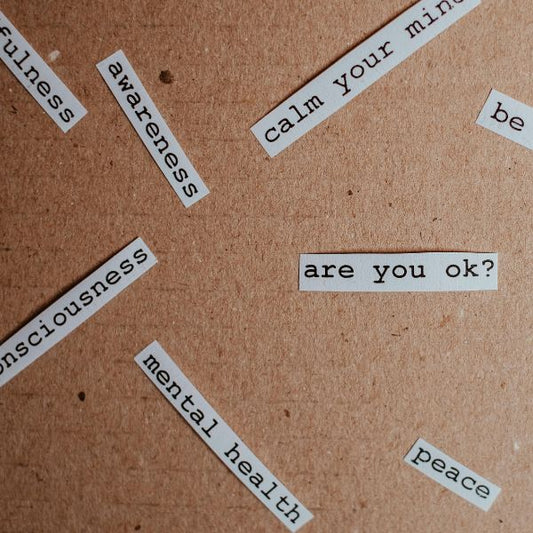
Self-Worth and Relationship Security: Why Feeling “Enough” Matters in Love
Have you ever caught yourself thinking: “Am I good enough for them?” Or maybe you’ve felt a wave of anxiety when your partner didn’t respond to a message as quickly as you hoped. These moments of insecurity are more common than you think—and they don’t necessarily mean your relationship is in trouble. Instead, they often point back to one essential foundation: your sense of self-worth. Why Self-Worth Shapes Our Relationships As researcher Brené Brown notes, “Our sense of worthiness lies at the heart of every connection we have.” When we carry self-doubt or feelings of inadequacy, we can become hyper-sensitive to small cues in our relationships. A neutral silence can suddenly feel like rejection. A partner’s busyness may feel like abandonment. On the other hand, when we feel secure in our own worth, we are less likely to interpret every pause or disagreement as a threat. We can show up in relationships with more openness, curiosity, and compassion—both for ourselves and for others. The Lens of Attachment Theory Psychology also offers another valuable framework: attachment theory. According to decades of research, our early experiences shape the way we connect in adulthood. Secure attachment: Comfortable with closeness and independence. Anxious attachment: Preoccupied with rejection, highly sensitive to signs of distance. Avoidant attachment: Values independence, often struggles with emotional vulnerability. Knowing your attachment style isn’t about labeling yourself—it’s about understanding your patterns. For example, if you tend to feel anxious in relationships, recognizing this can help you pause before spiraling into self-blame or panic. Building Confidence and Security So, how do we strengthen self-worth and feel more secure in love? Research in positive psychology offers some practical insights: Acknowledge your strengths. In The How of Happiness, Sonja Lyubomirsky highlights the role of self-recognition in boosting long-term well-being. Taking time to notice your achievements, skills, or even moments of kindness toward others can gradually shift how you see yourself. Practice self-compassion. Psychologist Kristin Neff emphasizes that treating yourself with the same kindness you’d offer a friend helps quiet the inner critic and creates emotional resilience. Challenge old stories. If you often think “I’ll be abandoned” or “I’m not enough,” pause and ask: Is this belief based on current reality, or is it an old script playing out? A Gentle Reminder Feeling insecure at times doesn’t make you broken—it makes you human. Relationships are complex, and even the most secure people experience moments of doubt. What matters is learning to notice these feelings, understand where they come from, and build a more compassionate relationship with yourself.
Self-Worth and Relationship Security: Why Feeling “Enough” Matters in Love
Have you ever caught yourself thinking: “Am I good enough for them?” Or maybe you’ve felt a wave of anxiety when your partner didn’t respond to a message as quickly as you hoped. These moments of insecurity are more common than you think—and they don’t necessarily mean your relationship is in trouble. Instead, they often point back to one essential foundation: your sense of self-worth. Why Self-Worth Shapes Our Relationships As researcher Brené Brown notes, “Our sense of worthiness lies at the heart of every connection we have.” When we carry self-doubt or feelings of inadequacy, we can become hyper-sensitive to small cues in our relationships. A neutral silence can suddenly feel like rejection. A partner’s busyness may feel like abandonment. On the other hand, when we feel secure in our own worth, we are less likely to interpret every pause or disagreement as a threat. We can show up in relationships with more openness, curiosity, and compassion—both for ourselves and for others. The Lens of Attachment Theory Psychology also offers another valuable framework: attachment theory. According to decades of research, our early experiences shape the way we connect in adulthood. Secure attachment: Comfortable with closeness and independence. Anxious attachment: Preoccupied with rejection, highly sensitive to signs of distance. Avoidant attachment: Values independence, often struggles with emotional vulnerability. Knowing your attachment style isn’t about labeling yourself—it’s about understanding your patterns. For example, if you tend to feel anxious in relationships, recognizing this can help you pause before spiraling into self-blame or panic. Building Confidence and Security So, how do we strengthen self-worth and feel more secure in love? Research in positive psychology offers some practical insights: Acknowledge your strengths. In The How of Happiness, Sonja Lyubomirsky highlights the role of self-recognition in boosting long-term well-being. Taking time to notice your achievements, skills, or even moments of kindness toward others can gradually shift how you see yourself. Practice self-compassion. Psychologist Kristin Neff emphasizes that treating yourself with the same kindness you’d offer a friend helps quiet the inner critic and creates emotional resilience. Challenge old stories. If you often think “I’ll be abandoned” or “I’m not enough,” pause and ask: Is this belief based on current reality, or is it an old script playing out? A Gentle Reminder Feeling insecure at times doesn’t make you broken—it makes you human. Relationships are complex, and even the most secure people experience moments of doubt. What matters is learning to notice these feelings, understand where they come from, and build a more compassionate relationship with yourself.

Coping With Anxiety: How to Regain Calm When Life Feels Overwhelming
Anxiety is something almost everyone experiences at some point. That racing heart before a big presentation, the knot in your stomach before a difficult conversation, or the restless nights when your mind won’t stop spinning — these are all familiar signs. But when worry starts to interfere with daily life, it becomes more than just a temporary stress response. The good news? Anxiety can be understood, managed, and gradually eased with the right tools. In this article, we’ll explore: The difference between helpful and harmful anxiety Quick ways to calm yourself during anxious moments Long-term strategies for reducing chronic anxiety Practical tips for coping in uncertain times When to seek professional support Good Anxiety vs. Unhelpful Anxiety Not all anxiety is bad. In fact, it exists for a reason. It’s part of your body’s fight-or-flight system, designed to keep you safe from threats. For example, feeling a rush of adrenaline when crossing a busy street or facing an exam can help you stay alert and focused. However, the same system can misfire. Everyday challenges like work deadlines, financial concerns, or family conflicts can trigger intense reactions even when there’s no real danger. This type of anxiety can cause: Rapid heartbeat Dizziness or headaches Chest tightness Difficulty sleeping Persistent worrying Trouble concentrating Restlessness or nervousness When these symptoms linger and start to disrupt your life, anxiety becomes more harmful than helpful. Quick Calming Strategies Anxiety often arrives without warning. Having a few simple tools can help you regain balance when everything feels too much: 1. Breathe deeply and slowly Inhale through your nose, exhale through your mouth. Even 3–5 cycles of slow breathing can lower your heart rate and help your body relax. 2. Challenge unhelpful thoughts That loud inner critic? It doesn’t always tell the truth. Try reframing anxious thoughts and asking yourself: “Is this fact, or is this fear talking?” 3. Write it down Journaling allows you to externalize your worries. Often, thoughts look less intimidating once they’re on paper. 4. Redirect your focus Listen to calming music, repeat positive affirmations, or do something small but grounding — like stretching or noticing details in your surroundings. Building Long-Term Resilience Managing anxiety isn’t just about in-the-moment fixes — it’s also about creating habits that protect your mental health over time. - Identify triggers:Track situations that spark stress (workload, conflicts, certain environments) and plan how to handle them. - Focus on what you can control: Let go of what’s beyond your reach and put energy into manageable steps. - Practice mindfulness: Meditation, body scans, or simply noticing your breath can help you stay present instead of spiraling into “what ifs.” - Prioritize lifestyle habits: Balanced nutrition, exercise, and consistent sleep are natural anxiety buffers. - Consider therapy: Cognitive Behavioral Therapy (CBT) is one of the most effective treatments, giving you tools to break anxious thought patterns. Coping During Uncertain Times Global events like the COVID-19 pandemic have shown how collective stress can magnify anxiety. If you find yourself struggling during periods of uncertainty, try: - Staying connected: Call, message, or video chat with friends and family. Social support makes a huge difference. - Creating a routine: Even small rituals (morning walks, evening tea, scheduled breaks) provide structure and stability. - Spending time in nature: Natural light, fresh air, and green spaces have proven calming effects. - Practicing self-care: Prioritize sleep, eat nourishing meals, and give yourself permission to rest. Final Thoughts Anxiety doesn’t define you, and it doesn’t have to control your life. By learning to recognize its patterns, practicing quick calming techniques, and building long-term coping habits, you can reduce its power over you. And if anxiety feels overwhelming or persistent, reaching out for professional help is one of the bravest and most effective steps you can take. With support, you can find calm, regain confidence, and move forward with more ease.
Coping With Anxiety: How to Regain Calm When Life Feels Overwhelming
Anxiety is something almost everyone experiences at some point. That racing heart before a big presentation, the knot in your stomach before a difficult conversation, or the restless nights when your mind won’t stop spinning — these are all familiar signs. But when worry starts to interfere with daily life, it becomes more than just a temporary stress response. The good news? Anxiety can be understood, managed, and gradually eased with the right tools. In this article, we’ll explore: The difference between helpful and harmful anxiety Quick ways to calm yourself during anxious moments Long-term strategies for reducing chronic anxiety Practical tips for coping in uncertain times When to seek professional support Good Anxiety vs. Unhelpful Anxiety Not all anxiety is bad. In fact, it exists for a reason. It’s part of your body’s fight-or-flight system, designed to keep you safe from threats. For example, feeling a rush of adrenaline when crossing a busy street or facing an exam can help you stay alert and focused. However, the same system can misfire. Everyday challenges like work deadlines, financial concerns, or family conflicts can trigger intense reactions even when there’s no real danger. This type of anxiety can cause: Rapid heartbeat Dizziness or headaches Chest tightness Difficulty sleeping Persistent worrying Trouble concentrating Restlessness or nervousness When these symptoms linger and start to disrupt your life, anxiety becomes more harmful than helpful. Quick Calming Strategies Anxiety often arrives without warning. Having a few simple tools can help you regain balance when everything feels too much: 1. Breathe deeply and slowly Inhale through your nose, exhale through your mouth. Even 3–5 cycles of slow breathing can lower your heart rate and help your body relax. 2. Challenge unhelpful thoughts That loud inner critic? It doesn’t always tell the truth. Try reframing anxious thoughts and asking yourself: “Is this fact, or is this fear talking?” 3. Write it down Journaling allows you to externalize your worries. Often, thoughts look less intimidating once they’re on paper. 4. Redirect your focus Listen to calming music, repeat positive affirmations, or do something small but grounding — like stretching or noticing details in your surroundings. Building Long-Term Resilience Managing anxiety isn’t just about in-the-moment fixes — it’s also about creating habits that protect your mental health over time. - Identify triggers:Track situations that spark stress (workload, conflicts, certain environments) and plan how to handle them. - Focus on what you can control: Let go of what’s beyond your reach and put energy into manageable steps. - Practice mindfulness: Meditation, body scans, or simply noticing your breath can help you stay present instead of spiraling into “what ifs.” - Prioritize lifestyle habits: Balanced nutrition, exercise, and consistent sleep are natural anxiety buffers. - Consider therapy: Cognitive Behavioral Therapy (CBT) is one of the most effective treatments, giving you tools to break anxious thought patterns. Coping During Uncertain Times Global events like the COVID-19 pandemic have shown how collective stress can magnify anxiety. If you find yourself struggling during periods of uncertainty, try: - Staying connected: Call, message, or video chat with friends and family. Social support makes a huge difference. - Creating a routine: Even small rituals (morning walks, evening tea, scheduled breaks) provide structure and stability. - Spending time in nature: Natural light, fresh air, and green spaces have proven calming effects. - Practicing self-care: Prioritize sleep, eat nourishing meals, and give yourself permission to rest. Final Thoughts Anxiety doesn’t define you, and it doesn’t have to control your life. By learning to recognize its patterns, practicing quick calming techniques, and building long-term coping habits, you can reduce its power over you. And if anxiety feels overwhelming or persistent, reaching out for professional help is one of the bravest and most effective steps you can take. With support, you can find calm, regain confidence, and move forward with more ease.

Why Are You Always Afraid of Rejection? Understanding the Roots and How to Break Free
Rejection stings — whether it’s a declined job application, a ghosted message, or a partner pulling away. No one enjoys it. But if you find yourself constantly holding back just to avoid rejection, there may be more beneath the surface than simple shyness. In this blog, we’ll explore why the fear of rejection feels so overwhelming, what it looks like in daily life, and practical steps to overcome it. What Does “Fear of Rejection” Really Mean? At its core, the fear of rejection is the worry that others won’t accept, approve of, or value you. This isn’t just in your head — it can show up in many areas of life, like: Avoiding opportunities where you might fail or be judged Saying “yes” when you want to say “no,” just to keep people happy Needing constant reassurance from others Holding back your real opinions or emotions For some, this fear can be so intense that even small criticism feels unbearable — a pattern sometimes referred to as rejection sensitivity. Why Do You Fear Rejection? There’s no single reason, but here are some of the most common roots: Evolutionary wiring: Historically, being excluded from a group threatened survival. That ancient instinct still lingers. - Cultural and social pressure: We’re taught from a young age that approval equals worth. Disapproval can feel devastating. - Past experiences: Painful rejections, bullying, or betrayal can leave lasting emotional imprints. - Low self-esteem: When you already doubt your value, rejection feels like confirmation of those fears. - Attachment and anxiety: Growing up with inconsistent emotional support may lead to heightened sensitivity to rejection. Signs You Might Be Struggling With Fear of Rejection Avoiding social gatherings or interviews Struggling to assert your needs Perfectionism (so no one has a “reason” to reject you) Harsh self-talk (“I’m not good enough”) People-pleasing at the expense of your own needs Taking criticism way too personally How to Break Free From the Fear of Rejection The good news? You don’t have to let rejection control your life. Here are some steps to move forward: - Acknowledge your feelings – Accept that rejection hurts, but remind yourself it’s a normal part of life. - Challenge your thoughts– Ask yourself: “Is this fear based on fact or just assumption?” - Practice self-compassion – Talk to yourself like you would to a friend who’s struggling. - Build resilience – Focus on your achievements, and remember rejection doesn’t define your worth. - Face it gradually – Start with small risks to desensitize yourself to rejection. - Reframe rejection as growth – Each “no” is feedback, not a final verdict. - Seek support – Surround yourself with people who affirm your value. - Focus on potential gains – Ask: “What could I gain if I try, even if I fail?” - Care for yourself – Sleep, eat well, exercise, and rest — confidence grows from self-respect. - Consider professional help – A therapist can help uncover deeper roots and build coping tools. Final Thoughts Fear of rejection is deeply human — but it doesn’t have to run your life. By understanding where it comes from and taking small, intentional steps, you can reduce its grip and open yourself up to new opportunities, deeper connections, and a fuller life. Remember: rejection doesn’t mean you’re unworthy. It just means you’re brave enough to show up.
Why Are You Always Afraid of Rejection? Understanding the Roots and How to Break Free
Rejection stings — whether it’s a declined job application, a ghosted message, or a partner pulling away. No one enjoys it. But if you find yourself constantly holding back just to avoid rejection, there may be more beneath the surface than simple shyness. In this blog, we’ll explore why the fear of rejection feels so overwhelming, what it looks like in daily life, and practical steps to overcome it. What Does “Fear of Rejection” Really Mean? At its core, the fear of rejection is the worry that others won’t accept, approve of, or value you. This isn’t just in your head — it can show up in many areas of life, like: Avoiding opportunities where you might fail or be judged Saying “yes” when you want to say “no,” just to keep people happy Needing constant reassurance from others Holding back your real opinions or emotions For some, this fear can be so intense that even small criticism feels unbearable — a pattern sometimes referred to as rejection sensitivity. Why Do You Fear Rejection? There’s no single reason, but here are some of the most common roots: Evolutionary wiring: Historically, being excluded from a group threatened survival. That ancient instinct still lingers. - Cultural and social pressure: We’re taught from a young age that approval equals worth. Disapproval can feel devastating. - Past experiences: Painful rejections, bullying, or betrayal can leave lasting emotional imprints. - Low self-esteem: When you already doubt your value, rejection feels like confirmation of those fears. - Attachment and anxiety: Growing up with inconsistent emotional support may lead to heightened sensitivity to rejection. Signs You Might Be Struggling With Fear of Rejection Avoiding social gatherings or interviews Struggling to assert your needs Perfectionism (so no one has a “reason” to reject you) Harsh self-talk (“I’m not good enough”) People-pleasing at the expense of your own needs Taking criticism way too personally How to Break Free From the Fear of Rejection The good news? You don’t have to let rejection control your life. Here are some steps to move forward: - Acknowledge your feelings – Accept that rejection hurts, but remind yourself it’s a normal part of life. - Challenge your thoughts– Ask yourself: “Is this fear based on fact or just assumption?” - Practice self-compassion – Talk to yourself like you would to a friend who’s struggling. - Build resilience – Focus on your achievements, and remember rejection doesn’t define your worth. - Face it gradually – Start with small risks to desensitize yourself to rejection. - Reframe rejection as growth – Each “no” is feedback, not a final verdict. - Seek support – Surround yourself with people who affirm your value. - Focus on potential gains – Ask: “What could I gain if I try, even if I fail?” - Care for yourself – Sleep, eat well, exercise, and rest — confidence grows from self-respect. - Consider professional help – A therapist can help uncover deeper roots and build coping tools. Final Thoughts Fear of rejection is deeply human — but it doesn’t have to run your life. By understanding where it comes from and taking small, intentional steps, you can reduce its grip and open yourself up to new opportunities, deeper connections, and a fuller life. Remember: rejection doesn’t mean you’re unworthy. It just means you’re brave enough to show up.

Why Are You Always Afraid of Rejection? Understanding the Roots and How to Break Free
Rejection stings — whether it’s a declined job application, a ghosted message, or a partner pulling away. No one enjoys it. But if you find yourself constantly holding back just to avoid rejection, there may be more beneath the surface than simple shyness. In this blog, we’ll explore why the fear of rejection feels so overwhelming, what it looks like in daily life, and practical steps to overcome it. What Does “Fear of Rejection” Really Mean? At its core, the fear of rejection is the worry that others won’t accept, approve of, or value you. This isn’t just in your head — it can show up in many areas of life, like: Avoiding opportunities where you might fail or be judged Saying “yes” when you want to say “no,” just to keep people happy Needing constant reassurance from others Holding back your real opinions or emotions For some, this fear can be so intense that even small criticism feels unbearable — a pattern sometimes referred to as rejection sensitivity. Why Do You Fear Rejection? There’s no single reason, but here are some of the most common roots: Evolutionary wiring: Historically, being excluded from a group threatened survival. That ancient instinct still lingers. - Cultural and social pressure: We’re taught from a young age that approval equals worth. Disapproval can feel devastating. - Past experiences: Painful rejections, bullying, or betrayal can leave lasting emotional imprints. - Low self-esteem: When you already doubt your value, rejection feels like confirmation of those fears. - Attachment and anxiety: Growing up with inconsistent emotional support may lead to heightened sensitivity to rejection. Signs You Might Be Struggling With Fear of Rejection Avoiding social gatherings or interviews Struggling to assert your needs Perfectionism (so no one has a “reason” to reject you) Harsh self-talk (“I’m not good enough”) People-pleasing at the expense of your own needs Taking criticism way too personally How to Break Free From the Fear of Rejection The good news? You don’t have to let rejection control your life. Here are some steps to move forward: - Acknowledge your feelings – Accept that rejection hurts, but remind yourself it’s a normal part of life. - Challenge your thoughts– Ask yourself: “Is this fear based on fact or just assumption?” - Practice self-compassion – Talk to yourself like you would to a friend who’s struggling. - Build resilience – Focus on your achievements, and remember rejection doesn’t define your worth. - Face it gradually – Start with small risks to desensitize yourself to rejection. - Reframe rejection as growth – Each “no” is feedback, not a final verdict. - Seek support – Surround yourself with people who affirm your value. - Focus on potential gains – Ask: “What could I gain if I try, even if I fail?” - Care for yourself – Sleep, eat well, exercise, and rest — confidence grows from self-respect. - Consider professional help – A therapist can help uncover deeper roots and build coping tools. Final Thoughts Fear of rejection is deeply human — but it doesn’t have to run your life. By understanding where it comes from and taking small, intentional steps, you can reduce its grip and open yourself up to new opportunities, deeper connections, and a fuller life. Remember: rejection doesn’t mean you’re unworthy. It just means you’re brave enough to show up.
Why Are You Always Afraid of Rejection? Understanding the Roots and How to Break Free
Rejection stings — whether it’s a declined job application, a ghosted message, or a partner pulling away. No one enjoys it. But if you find yourself constantly holding back just to avoid rejection, there may be more beneath the surface than simple shyness. In this blog, we’ll explore why the fear of rejection feels so overwhelming, what it looks like in daily life, and practical steps to overcome it. What Does “Fear of Rejection” Really Mean? At its core, the fear of rejection is the worry that others won’t accept, approve of, or value you. This isn’t just in your head — it can show up in many areas of life, like: Avoiding opportunities where you might fail or be judged Saying “yes” when you want to say “no,” just to keep people happy Needing constant reassurance from others Holding back your real opinions or emotions For some, this fear can be so intense that even small criticism feels unbearable — a pattern sometimes referred to as rejection sensitivity. Why Do You Fear Rejection? There’s no single reason, but here are some of the most common roots: Evolutionary wiring: Historically, being excluded from a group threatened survival. That ancient instinct still lingers. - Cultural and social pressure: We’re taught from a young age that approval equals worth. Disapproval can feel devastating. - Past experiences: Painful rejections, bullying, or betrayal can leave lasting emotional imprints. - Low self-esteem: When you already doubt your value, rejection feels like confirmation of those fears. - Attachment and anxiety: Growing up with inconsistent emotional support may lead to heightened sensitivity to rejection. Signs You Might Be Struggling With Fear of Rejection Avoiding social gatherings or interviews Struggling to assert your needs Perfectionism (so no one has a “reason” to reject you) Harsh self-talk (“I’m not good enough”) People-pleasing at the expense of your own needs Taking criticism way too personally How to Break Free From the Fear of Rejection The good news? You don’t have to let rejection control your life. Here are some steps to move forward: - Acknowledge your feelings – Accept that rejection hurts, but remind yourself it’s a normal part of life. - Challenge your thoughts– Ask yourself: “Is this fear based on fact or just assumption?” - Practice self-compassion – Talk to yourself like you would to a friend who’s struggling. - Build resilience – Focus on your achievements, and remember rejection doesn’t define your worth. - Face it gradually – Start with small risks to desensitize yourself to rejection. - Reframe rejection as growth – Each “no” is feedback, not a final verdict. - Seek support – Surround yourself with people who affirm your value. - Focus on potential gains – Ask: “What could I gain if I try, even if I fail?” - Care for yourself – Sleep, eat well, exercise, and rest — confidence grows from self-respect. - Consider professional help – A therapist can help uncover deeper roots and build coping tools. Final Thoughts Fear of rejection is deeply human — but it doesn’t have to run your life. By understanding where it comes from and taking small, intentional steps, you can reduce its grip and open yourself up to new opportunities, deeper connections, and a fuller life. Remember: rejection doesn’t mean you’re unworthy. It just means you’re brave enough to show up.
Featured collection
-
Heart-Shaped Enchantment Candle For Love & Attraction
Regular price $83.99Regular priceUnit price per$62.72Sale price $83.99 -
Crystal Tumbled Heart For Love
Regular price $44.68Regular priceUnit price per$59.57Sale price $44.68Sale -
Lover Embrace Candle For Obsession
Regular price $52.49Regular priceUnit price per$59.08Sale price $52.49Sale -
11 Healing Crystals Set For Healing & Pursuing New Love
Regular price $53.29Regular priceUnit price per$71.05Sale price $53.29Sale


